The Role of Architectural Restraint in High-End Modular Homes
By Joy Line Homes
In high-end residential design, the most impressive homes are often not the loudest. They are the ones that feel calm, resolved, and intentional. You can sense that every line has a purpose, every material was chosen for how it will age, and every detail supports the experience of living there. This design approach is often described as architectural restraint.
Restraint is not about doing less because of limitations. It is about making disciplined decisions so that the home feels cohesive. Instead of chasing trends or adding features for attention, restrained architecture emphasizes proportion, clarity, and performance. The result is a home that feels elevated in a quiet way, which is exactly what many homeowners want when they invest in a premium modular or factory-built build.
Modular construction can be an ideal match for this mindset. When the process is coordinated early and executed with precision, modular building supports a clean architectural language. It makes it easier to deliver consistent alignment, repeatable detailing, and high quality finishes. In other words, restraint pairs naturally with predictability.
What Architectural Restraint Really Means
Architectural restraint means the design is guided by a clear set of priorities instead of endless options. It is a commitment to simplicity where it improves function, and to complexity only where it adds true value. Restraint can show up in plan layouts that are easy to understand, exterior forms that feel balanced, and interiors where the materials work together rather than competing.
This approach does not reduce customization. It refines it. The customization becomes more meaningful because it is focused on the moments that matter most. A restrained home may have fewer visual gestures, but it often feels more tailored because the design choices support real daily life.
Less Visual Noise, More Living Quality
Many homes feel busy because they combine too many styles, too many materials, or too many design ideas. Restraint reduces that noise. It creates a background that allows natural light, views, and daily routines to become the focus. When the environment is calm, the home feels more luxurious and more livable.
In modular homes, this is especially valuable because the structure and systems are coordinated early. With the right design team, restraint helps ensure that what is built feels intentional rather than assembled.
Why Restraint Signals Luxury
Luxury is often misunderstood as more features, more square footage, or more expensive finishes. In high-end architecture, luxury is more closely tied to experience. It is the feeling of spaces that are proportioned well, the smoothness of transitions from room to room, and the confidence that the home will still look good years from now.
Restraint contributes to that confidence. When a home has a clear architectural concept, it feels timeless. Materials are selected for depth and durability, not just shine. Details are repeated consistently, which makes the home feel coherent. In premium modular construction, this approach also supports better execution because repetition and clarity reduce mistakes.
Form That Works With the Site
A restrained home still responds to its environment. The difference is how it responds. Instead of dramatic shapes or complex rooflines, restraint often uses simple forms that are oriented carefully. This approach can make siting decisions more powerful. A window placed to frame a view, a covered entry that protects from weather, or an overhang designed for shade can feel more custom than an unusual form that does not perform well.
In California, site response often includes sun exposure, privacy conditions, and fire resilience considerations. Restraint helps prioritize these real needs. The architecture stays clear, while the performance becomes sophisticated.
Plans That Feel Effortless
Some floor plans feel complicated even when the home is not large. Circulation is unclear, storage is missing, and rooms feel disconnected. Restraint in planning means the home is easy to move through. It also means the layout supports how people live now, with flexible spaces for work, guests, and changing family needs.
In modular design, plan clarity is a major advantage. When the plan is disciplined, engineering and mechanical coordination become smoother. That often improves cost predictability and makes the finished home feel more resolved.
The Value of Repeatable Good Decisions
Restraint is often a series of good decisions repeated. Aligning walls, stacking wet areas, standardizing door sizes where it improves execution, and using a consistent window rhythm can elevate the entire home. These moves are not flashy, but they create a feeling of order and quality.
Homeowners experience that order as comfort. The home feels easy to maintain, easy to furnish, and easy to live in.
Material Palettes That Age Well
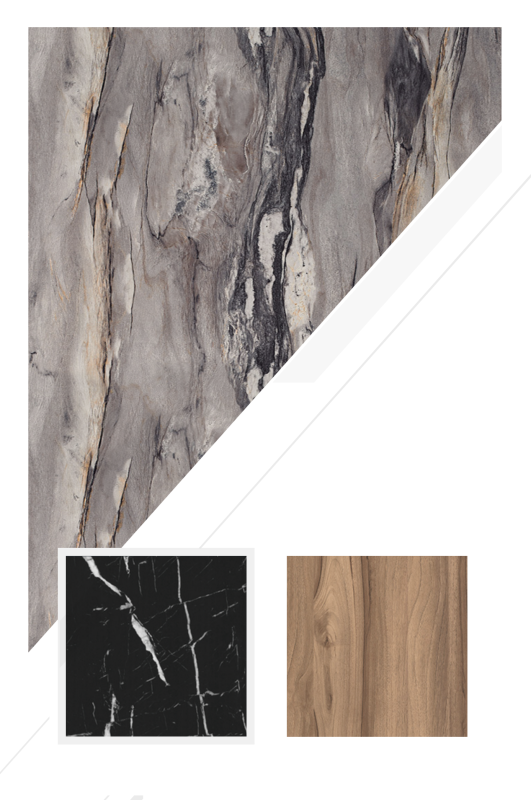
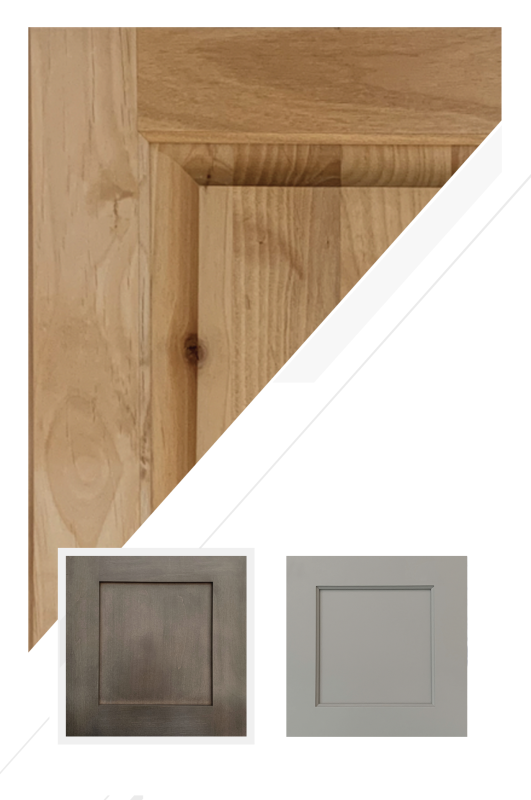
High-end modular homes often succeed or fail in the finish selections. Restraint in materials means choosing a palette that works together and will still feel relevant as tastes shift. Instead of mixing many textures and colors, a restrained palette may focus on a few high-quality materials and repeat them thoughtfully across the home.
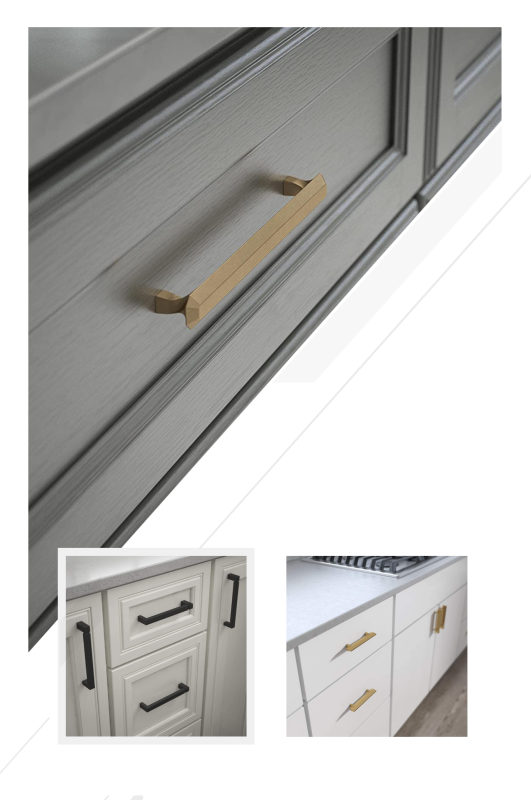
This approach also helps protect the budget. Premium materials can be used where they have the most impact, such as in flooring, cabinetry, hardware, and high-touch surfaces. The result feels elevated without relying on excess.
Details That Look Simple but Are Not
One reason restrained architecture feels expensive is that it often requires precision. Clean lines, tight reveals, and consistent alignment demand careful coordination. When corners meet cleanly and materials transition smoothly, the home looks effortless. In reality, that effort happened during design development and execution planning.
Factory-built construction can support this precision. Controlled conditions, repeatable processes, and quality checks make it easier to achieve the clean detailing that restraint requires. When paired with skilled installation on site, the final result can feel highly custom without the typical custom uncertainties.
Window Rhythm and Proportion
Windows are a common place where restraint shows. A home can have generous glazing without becoming visually chaotic. The key is proportion and rhythm. Repeating window head heights, aligning openings with interior features, and keeping a consistent logic from elevation to elevation makes the home feel balanced.
In premium modular homes, window placement should be coordinated early with structure, mechanical runs, and energy goals. Restraint helps keep those decisions clear and consistent.
Restraint Supports Energy and Comfort
High-end design is not just visual. It is also sensory. Quiet interiors, stable temperatures, and healthy indoor air are part of a luxury experience. Restraint supports this because simpler forms and consistent assemblies often perform better. Fewer corners and complicated roof transitions can reduce thermal bridging and simplify air sealing strategies.
This matters in California climates where comfort, energy use, and resilience are top priorities. A restrained modular home can integrate insulation, ventilation, and glazing strategies more cleanly, producing a home that feels calm not only in appearance but in daily comfort.
Avoiding Trend Traps
Many homeowners worry that a new build could feel dated quickly. Trend-driven design often relies on attention-grabbing finishes or shapes that can lose appeal as styles shift. Restraint is a defense against that risk. When the home is grounded in proportion, natural materials, and clear detailing, it tends to age more gracefully.
In modular homes, where predictability is a major value, restraint complements that predictability. It reduces the chance of regret because the design is not dependent on a single trendy move.
Where to Be Bold in a Restrained Home
Restraint does not mean eliminating character. It means choosing where character belongs. Many high-end homes use one or two focal moments rather than many. This could be a statement fireplace wall, a dramatic stair, a kitchen island with exceptional stone, or a strong indoor outdoor opening that frames a view.
In modular construction, focal moments should be planned early so the structure and detailing support them. When the bold moves are intentional and limited, they feel more powerful.
Craft Over Decoration
Restrained homes often rely on craftsmanship rather than decoration. The quality shows in how cabinets close, how flooring aligns at thresholds, and how lighting is layered. This is where premium modular homes can shine, especially when the design team prioritizes high-quality specifications and clear installation standards.
Why Modular Homes Benefit From Restraint
Modular construction rewards clarity. When the home is designed with a coherent architectural strategy, coordination becomes easier. Structural loads are resolved cleanly, mechanical systems can be stacked logically, and finish packages can be standardized without feeling generic. Restraint makes the most of modular strengths, including speed, precision, and predictability.
It also supports client confidence. Homeowners can make decisions earlier because the design direction is clear. That reduces the likelihood of costly revisions and helps keep projects moving.
Conclusion
Architectural restraint is one of the most effective ways to create high-end modular homes that feel custom, calm, and lasting. It prioritizes proportion, performance, and meaningful detail over excess. It also aligns well with factory-built construction, where early coordination and precision are central to success.
When restraint guides the design, a modular home can deliver a premium living experience with fewer surprises. The result is a home that feels intentional from the first impression to the smallest daily routine, and one that remains beautiful and functional for years to come.
About Joy Line Homes
Joy Line Homes helps California homeowners design factory-built and modular housing that prioritize architectural clarity, comfort, and long-term value.
Visit AduraAdu.com to explore planning resources.
Let's Get Started
Please Select the form that applies to you by selecting the appropriate tab above.
We are based in San Jose County ,
California
Tel: (831) 888-Home
Email: info@joylinehomes.com
Business Hours: 9am - 6pm