How Factory-Built Homes Support Aging in Place and Multigenerational Living
By Joy Line Homes
Housing needs change over time. Families grow, parents age, adult children return home, and living arrangements evolve in response to health, finances, and lifestyle. In California, where housing costs remain high and space is limited, many homeowners are looking for ways to adapt their properties without uprooting their lives. Aging in place and multigenerational living have become practical strategies rather than temporary solutions.
Factory-built homes offer a flexible and well-coordinated approach to these needs. Because they are planned in detail before construction begins, layouts, accessibility features, and long-term adaptability can be integrated from the start. This allows homes to support independence, connection, and dignity across different life stages.
Rather than reacting to change after it happens, factory-built construction allows families to plan ahead. Homes can be designed to function comfortably today while remaining ready for future adjustments, reducing the need for disruptive and costly remodels later.
Why Aging in Place Matters More Than Ever
Aging in place refers to the ability to live safely and comfortably in one’s home as mobility, health, and daily routines change. For many homeowners, remaining in a familiar environment supports emotional well-being, independence, and stability. It also reduces the financial and emotional costs associated with relocation or institutional care.
In California, aging in place is also influenced by practical considerations. Housing shortages, long wait lists for assisted living, and rising care costs make staying at home an attractive option. Homes that are designed to adapt can support this goal without sacrificing comfort or aesthetics.
Accessibility Without Institutional Design
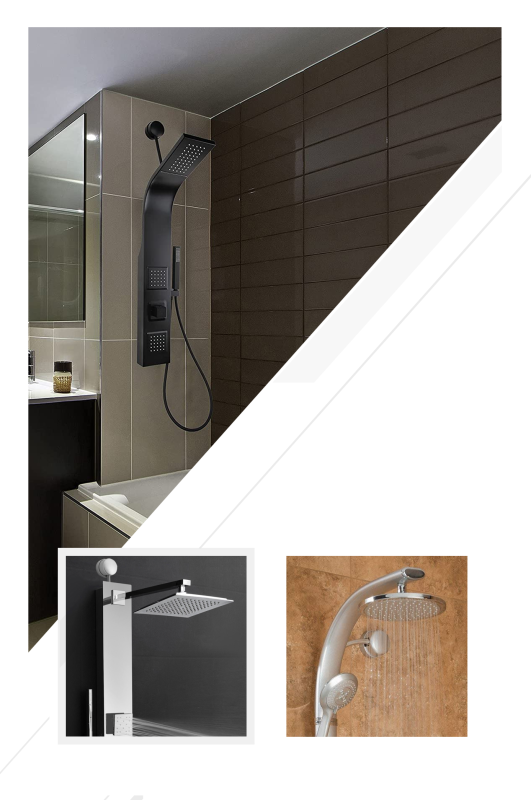
One of the challenges in aging-in-place design is avoiding spaces that feel clinical or temporary. Factory-built homes allow accessibility features to be integrated seamlessly. Wider doorways, step-free entries, reachable storage, and well-planned bathrooms can be included without calling attention to themselves.
When these features are part of the original design, the home feels intentional rather than retrofitted. This supports dignity and comfort while allowing residents to move freely and safely throughout the space.
Multigenerational Living as a Long-Term Strategy
Multigenerational living includes households where grandparents, parents, and children share a property or live in close proximity. In California, this arrangement is increasingly common due to housing costs, cultural preferences, caregiving needs, and a desire for stronger family support systems.
Factory-built homes can support multigenerational living by offering clear separation of spaces while maintaining connection. Thoughtful layouts allow privacy where needed and shared spaces where desired.
Designing for Privacy and Connection
Successful multigenerational homes balance independence and togetherness. Separate entrances, defined living areas, and sound control help maintain privacy. Shared kitchens, outdoor spaces, or common rooms support connection without forcing constant interaction.
Factory-built design allows these relationships to be planned deliberately. Rather than compromising after construction, families can choose layouts that support how they actually live.
Flexible Floor Plans That Adapt Over Time
Flexibility is one of the strongest advantages of factory-built homes. Spaces can serve different purposes as needs evolve. A guest room may become a caregiver suite. A home office may later support aging parents. An accessory unit may shift between rental income and family use.
Because factory-built homes are designed holistically, circulation, storage, and room proportions are considered together. This supports smoother transitions as the household changes.
Single-Level Living and Smart Circulation
Single-level layouts reduce fall risk and make daily routines easier. When stairs are unavoidable, thoughtful circulation planning helps future-proof the home. Wider hallways, clear sight lines, and efficient paths between rooms improve usability for all ages.
Comfort and Safety Built Into the Structure
Comfort and safety are central to aging in place. Factory-built homes support these priorities through consistent construction quality and controlled installation of critical components. Floors are level, assemblies are tight, and transitions are predictable.
These details reduce tripping hazards, drafts, and uneven surfaces that can create challenges later in life. Comfort also supports independence by making daily tasks easier and less physically demanding.
Lighting, Acoustics, and Everyday Ease
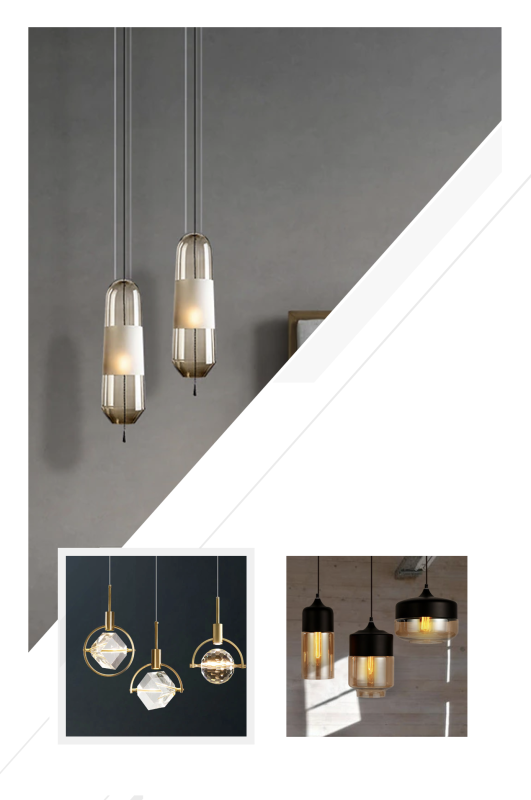
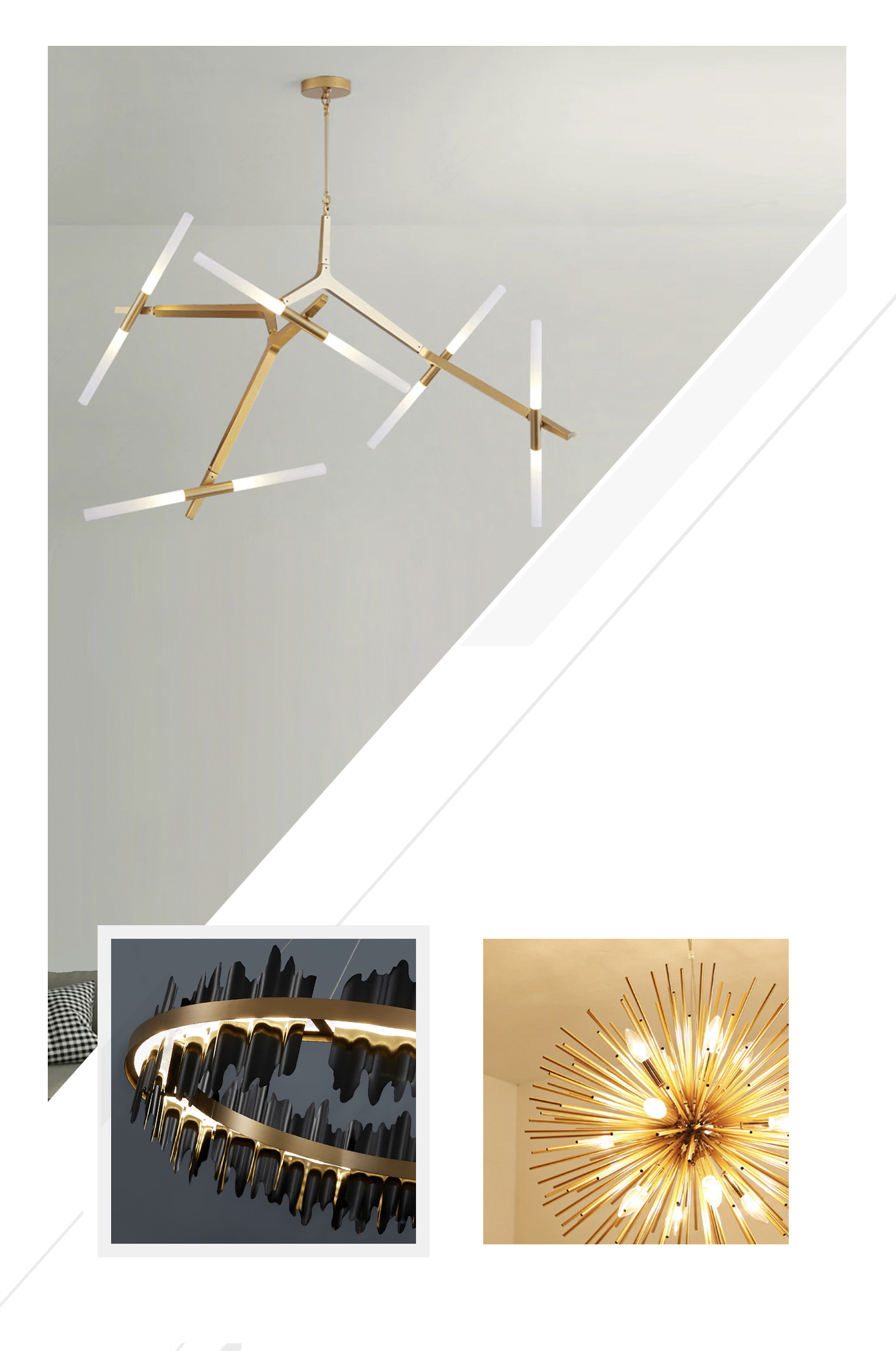
Good lighting supports safety and comfort at every age. Factory-built homes allow lighting plans to be coordinated early, improving visibility and reducing glare. Sound control through insulation and thoughtful layout supports privacy and reduces stress in shared households.
These qualities matter in multigenerational homes, where different schedules and needs coexist under one roof.
Energy Efficiency That Supports Fixed Incomes
Many households planning for aging in place are also planning for fixed or predictable incomes. Energy-efficient homes reduce monthly operating costs, helping households remain financially stable over time.
Factory-built homes often deliver strong energy performance due to controlled insulation, air sealing, and coordinated mechanical systems. Stable indoor temperatures reduce reliance on constant heating and cooling.
ADUs and Secondary Units for Family Support
Accessory dwelling units play an important role in multigenerational strategies. A factory-built ADU can provide a nearby yet independent space for aging parents, adult children, or caregivers.
These units allow families to stay connected while respecting autonomy. Over time, the same space can transition to rental use, providing income that supports long-term ownership.
Planning for Future Transitions
The ability to shift use over time adds resilience to the property. A home that can adapt remains valuable through market cycles and life changes. Factory-built homes support this adaptability through thoughtful planning rather than reactive renovation.
Reducing the Need for Disruptive Remodels
Remodeling later in life can be expensive, stressful, and disruptive. Factory-built homes reduce this risk by integrating long-term considerations from the beginning. Structural planning, plumbing placement, and layout decisions anticipate future needs.
This foresight protects both financial resources and quality of life.
Conclusion
Aging in place and multigenerational living require homes that are flexible, comfortable, and thoughtfully designed. Factory-built homes support these goals by allowing accessibility, efficiency, and adaptability to be integrated from the start.
For California families planning for the long term, factory-built construction offers a practical path to stability, connection, and independence across generations.
About Joy Line Homes
Joy Line Homes helps California homeowners design factory-built and modular homes that support long-term living, flexibility, and family connection.
Visit AduraAdu.com to explore factory-built home options and planning resources.
Let's Get Started
Please Select the form that applies to you by selecting the appropriate tab above.
We are based in Santa Clara County ,
California
Tel: (831) 888-Home
Email: info@joylinehomes.com
Business Hours: 9am - 6pm