Designing ADU Homes for Long-Term Living
By Joy Line Homes
Designing an accessory dwelling unit for long-term living requires a fundamentally different approach than designing a space intended for guests or short-term occupancy. A home that will be lived in year after year must support daily routines, comfort, privacy, and the realities of changing life stages. When an ADU is designed as a true residence rather than an add-on, it becomes easier to live in, easier to maintain, and more valuable over time.
Across California, ADUs are increasingly used as permanent housing solutions. They serve aging parents, adult children, long-term renters, caregivers, and homeowners planning for future flexibility. This shift has changed what success looks like in ADU design. Meeting minimum building code requirements is no longer enough. Long-term livability now drives real value.
This article explores the design principles that help ADU homes function well over decades. From layout and storage to accessibility, energy efficiency, privacy, and durability, each section focuses on choices that continue to matter long after construction is complete and the excitement of a new build has faded.
Designing an ADU to Feel Like a Real Home
One of the most common challenges with ADUs is that they are sometimes designed to feel temporary. When spaces are planned only to satisfy minimum requirements, they may technically function but rarely feel comfortable for full-time living. Long-term design starts by treating the ADU as a complete home with its own identity.
A real home has flow and intention. Living areas feel open but not exposed. Sleeping spaces feel protected and quiet. Kitchens feel usable rather than improvised. Even in compact footprints, thoughtful design can create a sense of calm and permanence.
Layout That Supports Daily Routines
Long-term living quickly exposes weaknesses in layout. A kitchen that is too narrow, a bathroom with poor circulation, or a bedroom placed next to noisy living areas can become daily frustrations. Strong layouts reduce friction and support natural movement through the home.
Kitchens should allow more than one person to cook comfortably. Bathrooms should include adequate clearance, storage, and ventilation. Sleeping areas should be visually and acoustically separated from social spaces whenever possible. These decisions shape everyday comfort.
Storage Is Essential for Long-Term Living
Storage is one of the most underestimated elements of ADU design. Long-term residents accumulate belongings, seasonal items, work materials, and personal essentials. Without sufficient storage, even a beautifully finished ADU can feel cluttered and stressful over time.
Closets sized for real wardrobes, kitchen cabinetry designed for everyday cooking, linen storage, and space for cleaning supplies all contribute to long-term comfort. Vertical storage and built-in cabinetry can increase functionality without sacrificing openness.
Storage also supports adaptability. An ADU that works for a family member today may become a rental later. Flexible storage allows the unit to transition between uses without requiring major changes.
Designing for Aging in Place and Accessibility
Many ADUs are built to support aging family members. Even when this is not the immediate plan, incorporating accessibility from the beginning significantly increases the long-term usefulness of the home. Design decisions made early are far easier and less expensive than retrofits later.
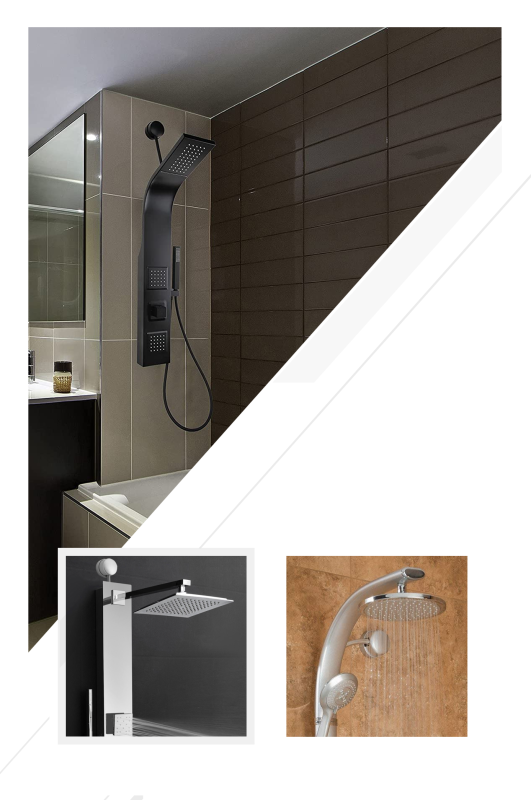
Step-free entries, wider doorways, simple circulation paths, and reachable controls make ADUs easier to navigate for people of all ages. Bathrooms designed with reinforced walls for future grab bars and showers with low thresholds support safe, independent living.
Accessibility Without Institutional Design
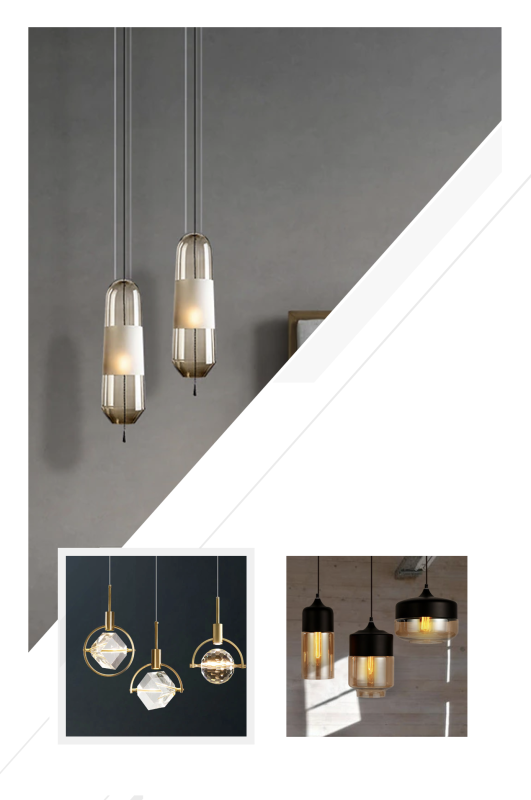
Accessibility does not have to feel clinical. When incorporated early, these features can be subtle and attractive. Lever-style door handles, thoughtful lighting placement, and walk-in showers blend seamlessly into residential design while supporting safety and comfort.
ADUs designed for aging in place often remain attractive to a broad range of occupants, improving long-term rental appeal and resale flexibility.
Privacy Between the ADU and the Main Home
Privacy is one of the most critical factors in long-term ADU success. When two households share a property, sound transmission, sightlines, and outdoor space all influence how comfortable the arrangement feels over time.
Separate entrances, careful window placement, and sound-insulating construction help maintain independence. Defined outdoor areas prevent unintentional overlap. These design choices reduce tension and support long- term harmony.
Energy Efficiency and Long-Term Operating Costs
Long-term living makes operating costs impossible to ignore. Energy-efficient ADUs are more comfortable and significantly less expensive to live in over time. Insulation quality, window performance, and air sealing all play major roles in maintaining stable indoor temperatures.
Mechanical systems should be properly sized for small homes. Oversized systems cycle inefficiently and wear out faster. Right-sized systems improve comfort while reducing energy consumption and maintenance costs.
Over decades, lower utility bills and reduced system wear protect affordability and improve long-term financial performance.
Durable Materials That Age Well
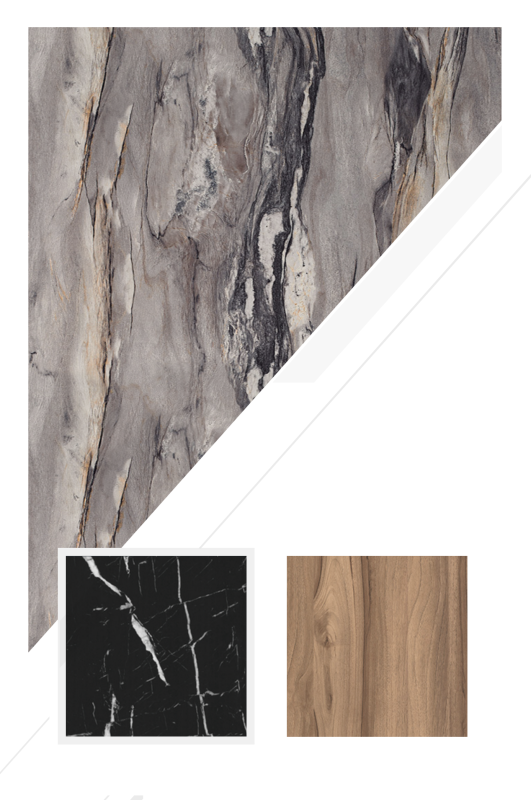
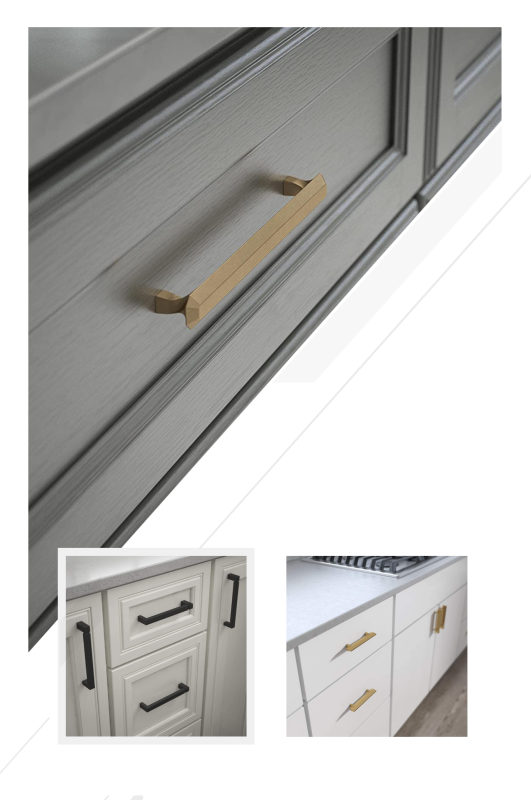
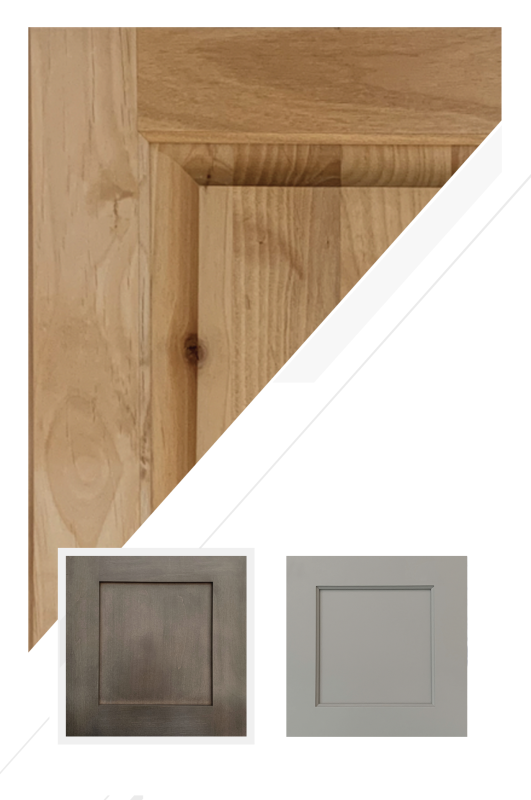
Long-term ADU design prioritizes durability over short-lived trends. Flooring, countertops, cabinetry, and fixtures should be selected for wear resistance and ease of maintenance. Materials that age gracefully reduce the need for frequent repairs or replacements.
Neutral palettes paired with texture allow residents to personalize the space without costly renovations. This flexibility benefits both owner occupants and long-term renters.
Designing ADUs for Long-Term Rental Stability
Many ADUs are built with rental income in mind. Long-term renters value comfort, privacy, and predictability. Homes that feel thoughtfully designed tend to retain tenants longer and reduce vacancy turnover.
Durable finishes, straightforward layouts, and efficient systems reduce maintenance calls and operating disruptions. These factors directly impact long-term cash flow and ownership experience.
Factory-Built and Modular ADUs for Long-Term Use
Factory-built and modular ADUs often perform well for long-term living because of consistent construction quality. Controlled environments allow precise installation of insulation, windows, and finishes, reducing variability and long-term issues.
When paired with thoughtful site planning and proper installation, factory-built ADUs can feel just as permanent and comfortable as site-built homes.
Planning for Change Over Time
Long-term living means needs will change. ADUs designed with flexible layouts, accessible infrastructure, and upgrade-ready systems are easier to adapt. Planning for future technology, energy upgrades, or interior adjustments extends the useful life of the home.
Adaptability protects long-term value. A home that can evolve remains relevant and desirable longer.
Conclusion
Designing ADU homes for long-term living requires more than meeting minimum standards. It requires careful planning around comfort, privacy, efficiency, and durability. When these elements are prioritized, ADUs become true homes that support daily life for decades.
A well-designed ADU can serve family needs, rental goals, and future flexibility at the same time. By designing for long-term living from the beginning, homeowners create housing that remains livable, resilient, and valuable well into the future.
About Joy Line Homes
Joy Line Homes helps California homeowners design ADU homes that support long-term living, comfort, and value.
Visit AduraAdu.com to explore ADU planning resources.
Let's Get Started
Please Select the form that applies to you by selecting the appropriate tab above.
We are based in Santa Clara County ,
California
Tel: (831) 888-Home
Email: info@joylinehomes.com
Business Hours: 9am - 6pm