Designing an ADU That Feels Like a Real Home
By Joy Line Homes
One of the most common concerns homeowners have when planning an accessory dwelling unit is whether it will feel like a real home or just an add-on. Many people have seen ADUs that technically meet code but feel tight, dark, or temporary. These experiences shape expectations, even though they are usually the result of design shortcuts rather than size limitations.
An ADU does not need to be large to feel complete. What matters is how the space is planned, how light and circulation are handled, and how the unit connects to daily routines. A well-designed ADU supports comfort, privacy, and independence in the same way a primary home does, just on a smaller footprint.
Designing an ADU that feels like a real home starts with intention. Every square foot needs to work, and every decision should support livability over time. When design choices are made with long-term use in mind, an ADU can feel calm, welcoming, and fully residential rather than improvised.
Start With a Residential Mindset
The biggest difference between ADUs that feel complete and those that do not is mindset. A real home is designed around how people live, not just where things fit. Kitchens, bathrooms, sleeping areas, and storage need to support daily habits without constant compromise.
When an ADU is treated like a scaled-down house instead of a converted room, the layout improves. Circulation becomes clearer, furniture fits more naturally, and the space feels intentional. This mindset also helps homeowners resist overloading the unit with unnecessary features that crowd the layout.
Clear Separation of Living Zones
Even in a small ADU, it is important to distinguish between living, sleeping, and service areas. Open plans can work well, but they still benefit from subtle separation. A defined sleeping zone, a functional kitchen layout, and a comfortable living area help the unit feel organized rather than cluttered.
This separation supports long-term comfort, especially for rentals or multigenerational living. People feel more at ease when the space mirrors familiar residential patterns.
Natural Light Makes a Small Home Feel Larger
Light is one of the most powerful tools in small-home design. An ADU with good daylight feels more open and more comfortable throughout the day. Window placement often matters more than window size. Thoughtful orientation can bring in light without sacrificing privacy.
Clerestory windows, corner glazing, and doors with glass panels can dramatically change how an ADU feels. These elements help the space breathe and connect visually to the outdoors.
Avoiding the Dark Box Effect
ADUs that feel temporary often suffer from limited daylight. This can happen when windows are undersized or poorly placed due to setback constraints or design shortcuts. Early planning helps ensure that light is distributed across the space rather than concentrated in one area.
Balanced daylight improves mood, supports circadian rhythms, and makes a small home feel livable year-round.
Ceiling Height and Proportion Matter
Ceiling height has a strong influence on how a space is perceived. Even modest increases in ceiling height can make an ADU feel more generous. Vaulted ceilings, sloped roofs, or strategic height changes can add visual interest without increasing square footage.
Proportion is just as important. Well-sized rooms feel intentional. Oversized furniture or undersized rooms can make a space feel awkward. Designing with scale in mind helps the ADU feel balanced and comfortable.
Kitchens That Feel Like Real Kitchens
The kitchen often defines whether an ADU feels like a real home. A functional kitchen supports daily cooking, storage, and cleanup without frustration. Even small kitchens benefit from clear work zones, adequate counter space, and proper ventilation.
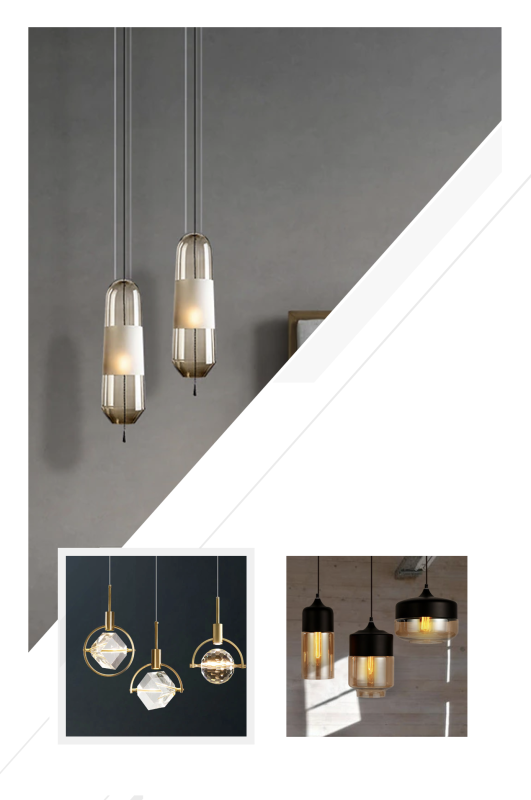
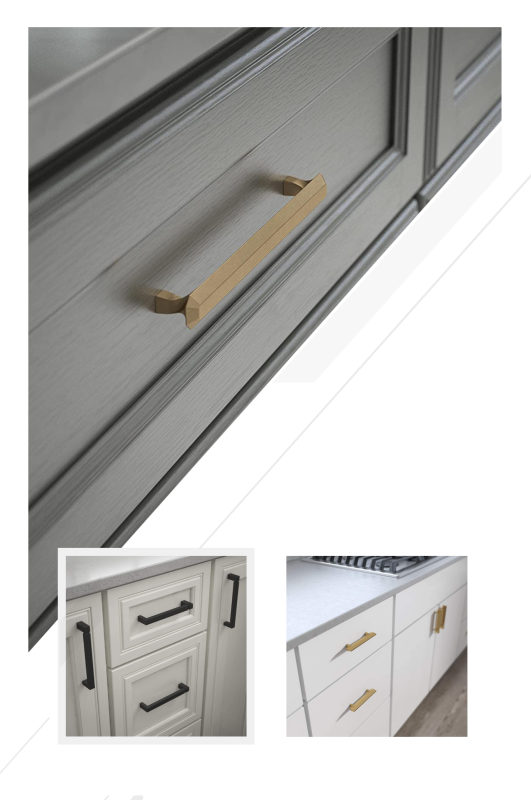
Using full-height cabinets, durable materials, and residential appliances helps the kitchen feel permanent. Thoughtful lighting under cabinets and over work areas improves both function and atmosphere.
Storage Is Part of Comfort
Lack of storage is one of the fastest ways an ADU starts to feel cramped. Built-in storage, closets, and efficient cabinetry reduce clutter and help the space stay calm over time. Storage should be planned as part of the architecture, not added as an afterthought.
Bathrooms Designed for Daily Use
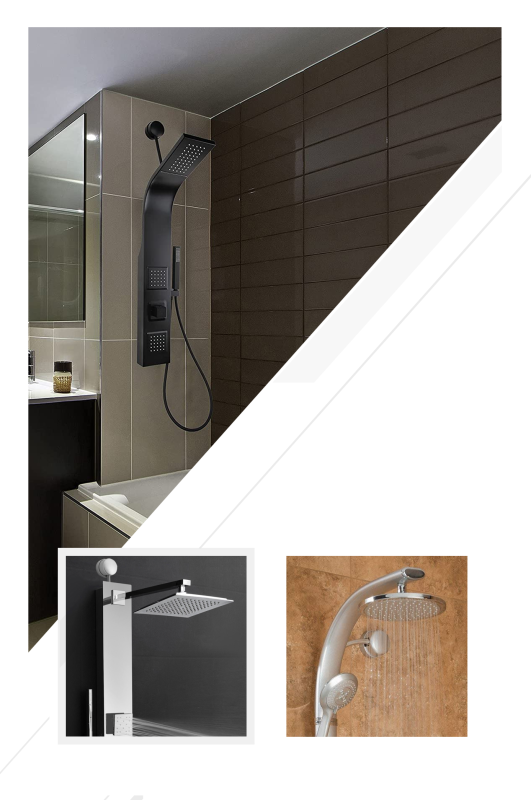
Bathrooms play a major role in how residential an ADU feels. A well-designed bathroom supports comfort, privacy, and ease of movement. Adequate clearances, good lighting, and durable finishes matter more than luxury features.
Walk-in showers, thoughtful fixture placement, and quality ventilation help bathrooms remain comfortable and low-maintenance. Planning for accessibility early can also extend the usefulness of the ADU over time.
Sound Control and Privacy
A real home feels quiet when it should. Sound control is often overlooked in ADU design, but it has a major impact on comfort. Insulation, wall assemblies, and window quality all influence how sound travels.
For backyard ADUs, distance from the main house helps, but construction quality still matters. For attached or garage-conversion ADUs, sound separation should be a priority during design and construction.
Privacy Starts With Layout
Privacy is not only about walls. Window placement, entry orientation, and outdoor space design all influence how private the ADU feels. A separate entrance and defined outdoor area help the unit feel independent and respectful of both households.
Materials That Feel Permanent
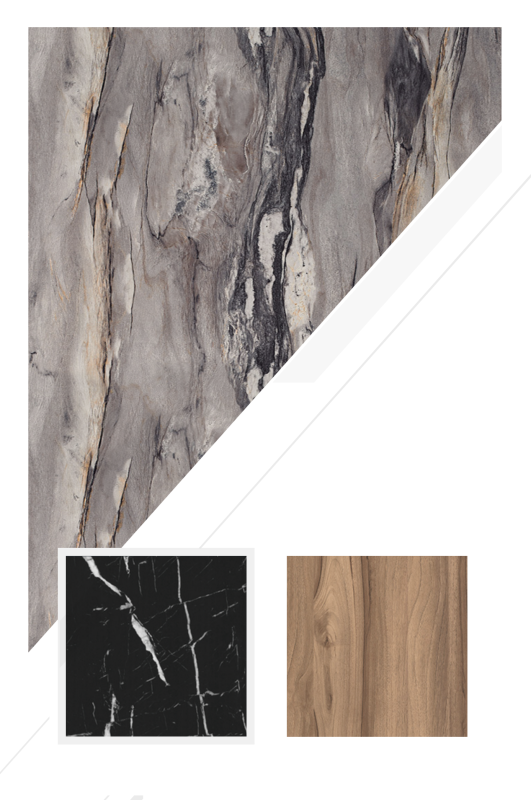
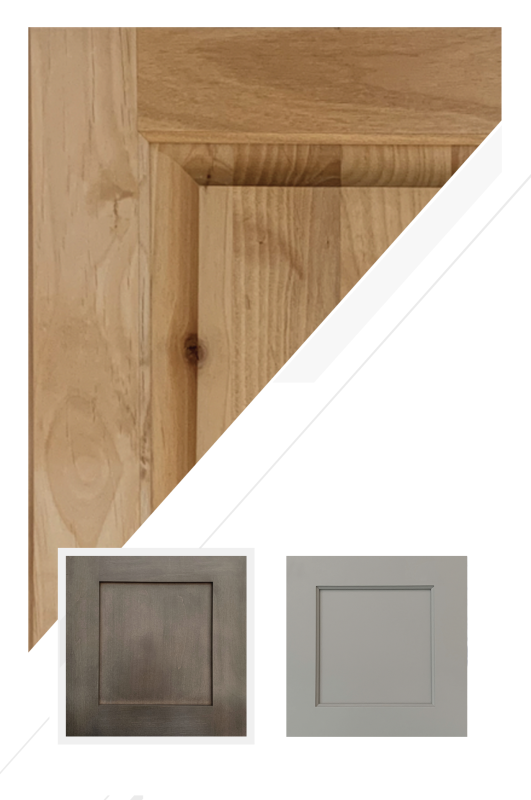
The materials used in an ADU send a message. Durable flooring, solid doors, and well-installed finishes reinforce the feeling that the home is built to last. Lightweight or temporary materials can make a space feel less substantial, even if the layout is strong.
Choosing materials that age well reduces maintenance and helps the ADU remain appealing for renters or family members over many years.
Indoor and Outdoor Connection
Access to outdoor space can dramatically improve how an ADU feels. A small patio, deck, or garden area gives residents room to step outside and expands the perceived size of the home. Large doors or well-placed windows strengthen this connection.
Even modest outdoor spaces feel valuable when they are private and intentional. This connection reinforces the feeling of living in a real home rather than a secondary structure.
Designing for Long-Term Use
An ADU that feels like a real home today should still feel functional years from now. Designing for long-term use means planning for changing needs, maintenance, and adaptability. Flexible layouts and durable systems help the unit remain relevant over time.
This is especially important for ADUs intended for rental income, aging in place, or multigenerational living. A space that adapts easily supports better outcomes for homeowners and occupants alike.
Why Factory-Built ADUs Can Support Better Design
Factory-built and modular ADUs often benefit from integrated design processes. Because layouts, systems, and finishes are coordinated early, these units can feel more cohesive. Precision construction can also support tighter tolerances, better insulation, and consistent finish quality.
While design quality is not exclusive to factory-built methods, the controlled environment can help deliver predictable results when paired with thoughtful planning.
Conclusion
Designing an ADU that feels like a real home is not about making it bigger. It is about making it better. Thoughtful layout, natural light, sound control, storage, and material choices all contribute to a sense of permanence and comfort.
When an ADU is designed with the same care as a primary residence, it becomes more than extra space. It becomes a place people want to live, whether that is a family member, a renter, or a future version of yourself.
About Joy Line Homes
Joy Line Homes helps California homeowners design ADUs and factory-built housing that prioritize comfort, livability, and long-term value.
Visit AduraAdu.com to explore ADU planning resources.
Let's Get Started
Please Select the form that applies to you by selecting the appropriate tab above.
We are based in Santa Clara County ,
California
Tel: (831) 888-Home
Email: info@joylinehomes.com
Business Hours: 9am - 6pm