Designing ADUs That Integrate Seamlessly With Existing Homes
By Joy Line Homes
Accessory dwelling units have moved from being a secondary consideration to a central part of residential planning in California. As more homeowners add ADUs to support family, generate income, or rebuild after fires, the quality of integration between the new structure and the existing home has become increasingly important.
An ADU that feels disconnected or visually awkward can reduce the overall experience of the property. In contrast, an ADU that integrates seamlessly enhances both buildings, improves livability, and strengthens long term value. Successful integration is not about copying every detail of the main house, but about creating harmony through scale, proportion, circulation, and material choices.
Designing for integration requires looking beyond the ADU itself. It means understanding how the property functions as a whole and how people will move, see, and live across the site every day.
Start With the Existing Home’s Character
The existing home sets the visual and spatial language for the property. Rooflines, window proportions, materials, and massing all contribute to how the site feels. A well integrated ADU respects these cues without becoming a replica.
For example, if the primary home uses simple roof forms and restrained detailing, the ADU should follow a similar level of restraint. If the home emphasizes horizontal lines, the ADU should avoid overly vertical proportions. Integration begins by observing what already works and reinforcing it.
This approach allows the ADU to feel intentional rather than added as an afterthought.
Scale and Proportion Matter More Than Size
Many integration challenges come from scale rather than square footage. Even a small ADU can feel overwhelming if its proportions conflict with the main house.
Pay attention to wall heights, roof pitches, and window sizes. Aligning floor heights and eave lines where possible creates visual continuity. When alignment is not possible, deliberate contrast can still feel balanced if proportions are carefully considered.
The goal is for both structures to feel like they belong on the same site, even if they serve different purposes.
Avoid the Oversized Backyard Box
An ADU that ignores scale can dominate outdoor space and reduce privacy. Thoughtful massing keeps the yard usable and the relationship between buildings comfortable.
Use Materials to Create Visual Continuity
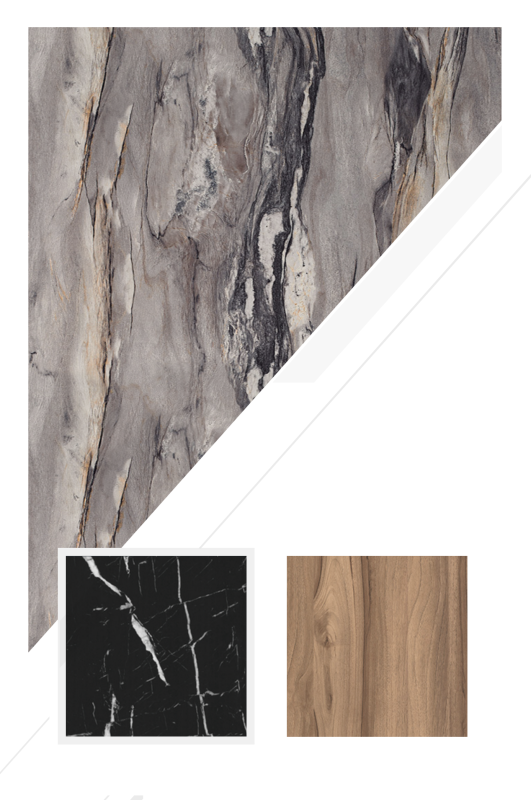
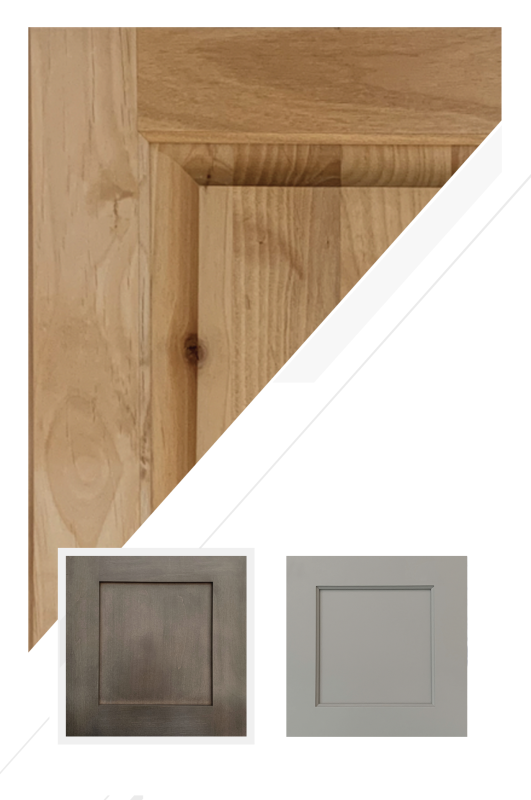
Material selection plays a major role in seamless integration. Matching materials exactly is not always necessary, but there should be a clear relationship.
If the main home uses wood siding, the ADU might use the same species in a different profile. If the home is finished in stucco, the ADU can echo the color and texture while simplifying details.
Consistent color palettes, trim depths, and surface finishes help the structures feel related even when built at different times.
Roof Design as a Unifying Element
The roof is often the most visible feature of an ADU. Roof shape, pitch, and orientation should be considered carefully to avoid visual conflict.
In many cases, using a similar roof pitch or orientation helps the ADU feel grounded in the same architectural family. In modern contexts, a simple flat or low slope roof can still integrate well when its edges align thoughtfully with the existing structure.
Roof overhangs and fascia details can further reinforce cohesion across buildings.
Window Placement and Rhythm
Windows influence both the exterior appearance and the interior experience. Aligning window heights, proportions, and spacing with the main home helps the ADU feel connected.
This does not mean placing windows symmetrically across buildings, but rather establishing a shared rhythm. Consistent head heights and similar window groupings create a sense of order.
Privacy considerations are equally important. Thoughtful window placement can bring in light while avoiding direct sightlines into the main home.
Site Planning and Circulation
Integration extends beyond architecture into how people move through the site. Paths, entries, and outdoor spaces should feel intuitive and respectful of both households.
A clearly defined ADU entry helps the unit feel independent while reducing daily interaction friction. Walkways should feel intentional, not improvised. Small changes in paving, planting, or lighting can signal transitions between shared and private zones.
Good circulation planning allows both homes to coexist comfortably without sacrificing privacy or convenience.
Landscape as a Connector
Landscape design is one of the most powerful tools for integration. Planting, fencing, and grade changes can soften the relationship between structures and define outdoor rooms.
Rather than separating buildings with hard barriers, layered landscaping can provide privacy while maintaining visual cohesion. Trees, hedges, and pergolas help the ADU feel nested within the property rather than placed on top of it.
Outdoor spaces that feel shared but not exposed contribute to long term livability.
Lighting for Cohesion and Comfort
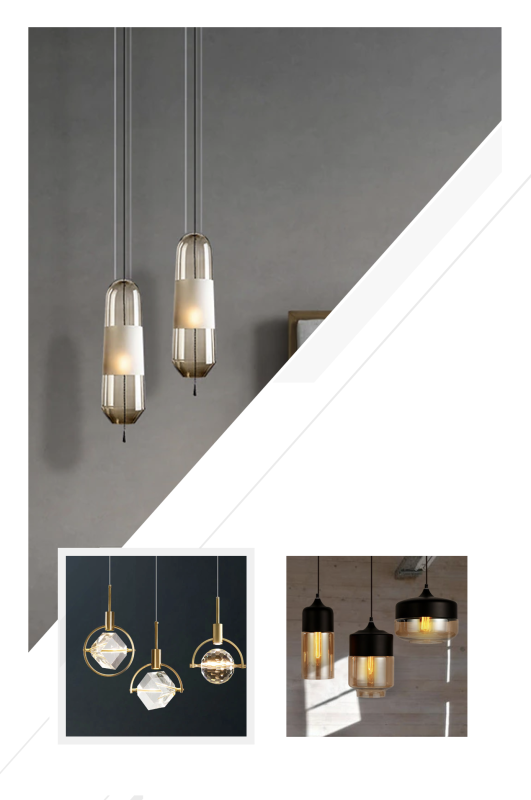
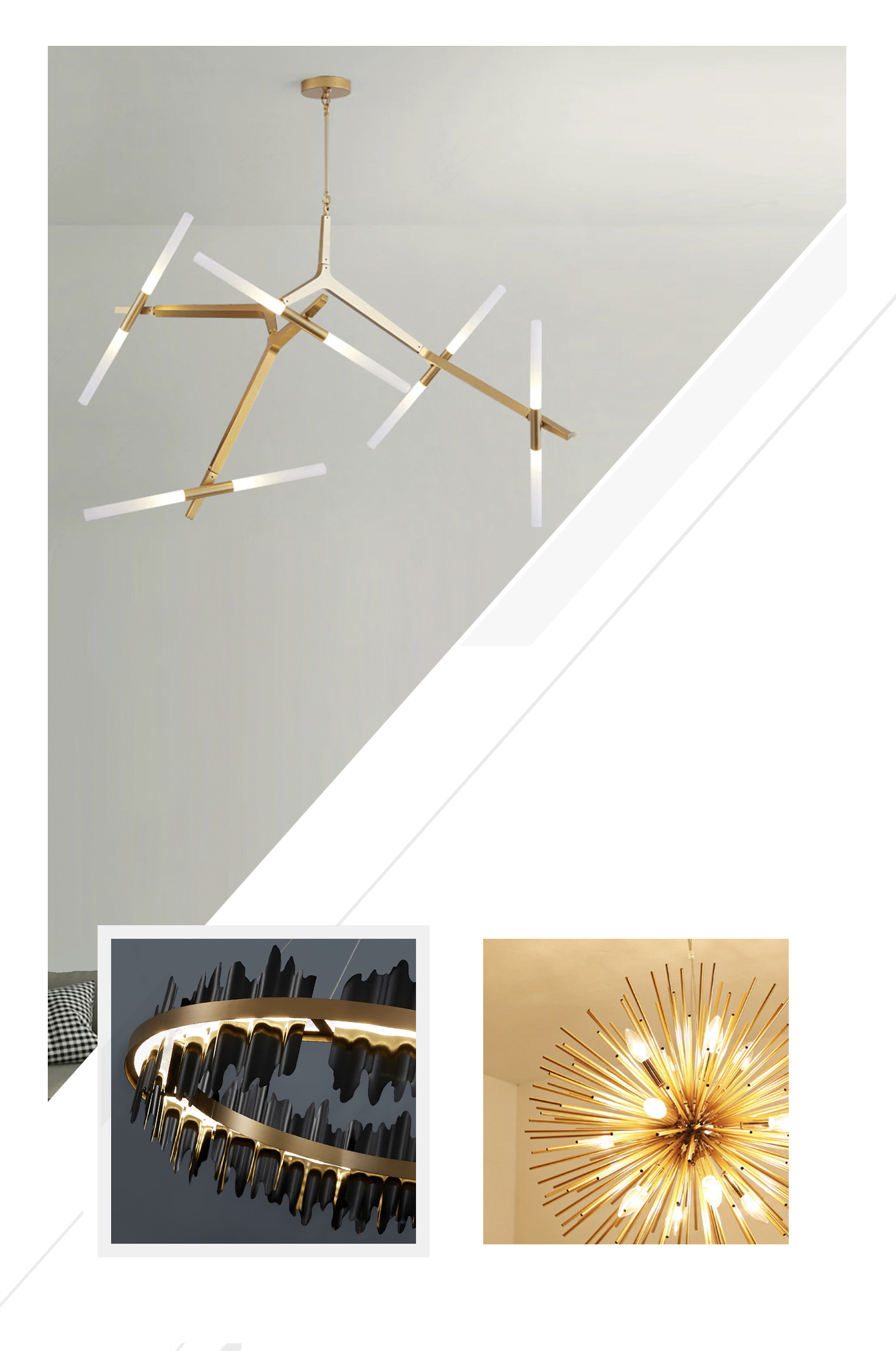
Exterior lighting should be coordinated across the property. Similar fixture styles, color temperatures, and mounting heights help the ADU blend visually with the main home at night.
Lighting also affects safety and wayfinding. Path lights, entry lights, and subtle landscape lighting guide movement without overpowering the space.
Interior Connections Without Dependence
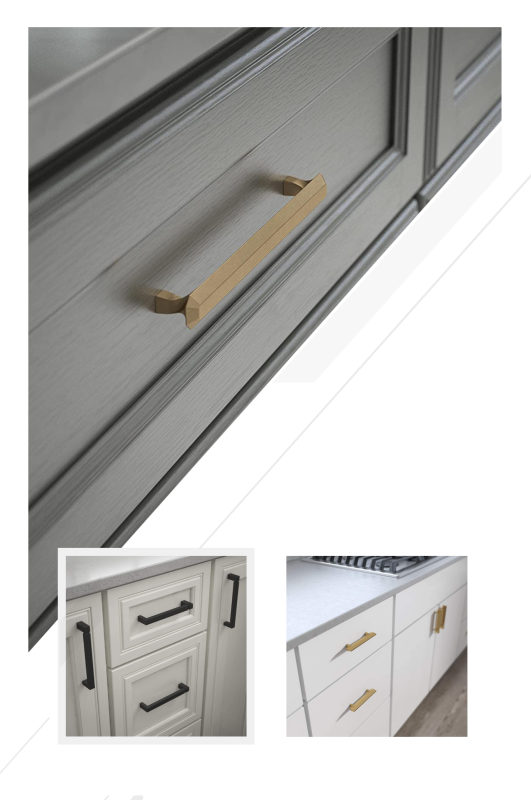
Even when an ADU is detached, interior design choices can reinforce a sense of continuity. Flooring tones, cabinetry styles, and finish palettes can echo the main home without duplicating it.
This strategy is especially effective when the ADU is intended for family use or long term flexibility. The spaces feel related while still maintaining independence.
Factory-Built ADUs and Integration
Factory-built and modular ADUs offer unique advantages when it comes to integration. Precision design allows exterior details, window placements, and material transitions to be planned in advance.
This level of coordination reduces on site improvisation, which often leads to mismatched details. With factory-built construction, integration is intentional rather than reactive.
Fire Rebuild Contexts Require Special Care
In fire rebuild scenarios, integration takes on added importance. The ADU may be one of the first structures rebuilt on the property and may later relate to a new primary home.
Designing with future context in mind ensures the ADU will continue to integrate even as the site evolves. Fire resistant materials and WUI compliant details can be incorporated without sacrificing aesthetics.
Conclusion
Designing an ADU that integrates seamlessly with an existing home is about respect for context, scale, and daily experience. When architecture, site planning, and landscape work together, the result feels cohesive and intentional.
A well integrated ADU enhances the entire property, supports flexible living arrangements, and protects long term value. It does not compete with the main home. It complements it.
About Joy Line Homes
Joy Line Homes designs and delivers factory-built and modular homes that prioritize long-term performance, comfort, and value.
Visit AduraAdu.com to explore planning resources.
Let's Get Started
Please Select the form that applies to you by selecting the appropriate tab above.
We are based in San Jose County ,
California
Tel: (831) 888-Home
Email: info@joylinehomes.com
Business Hours: 9am - 6pm