From Concept to Completion: The ADU Building Journey Explained
By Joy Line Homes
Building an Accessory Dwelling Unit in California can feel exciting and overwhelming at the same time. Most homeowners begin with a simple idea, whether it is creating more space, adding rental income, supporting family, or increasing long term value. As planning begins, site constraints, city requirements, design decisions, utilities, timelines, and budgets can quickly make the process feel complex.
The ADU journey becomes far more manageable when the phases are understood clearly. Knowing what comes first and why allows homeowners to make confident decisions with less stress. At Joy Line Homes, we guide homeowners through an organized path from concept to completion, focused on clarity, thoughtful design, and realistic planning.
Phase 1: Start With the Real Goal
Before discussing square footage or finishes, it is essential to define the purpose of the ADU. Is the space intended for family, rental income, guests, or future personal use? Each goal leads to different design priorities.
A family focused ADU may benefit from additional storage and comfort features, while a rental focused ADU often prioritizes durability and simplified maintenance. Designing with flexibility in mind can protect against costly changes later.
Imagining a typical day inside the future ADU helps ensure the layout supports real life, not just drawings.
Phase 2: Site Feasibility and Constraints
The property itself shapes every decision that follows. Access, slope, setbacks, drainage, utilities, and construction logistics all affect feasibility.
Delivery access, equipment staging, and overhead clearance are especially important for factory built ADUs, while all projects must account for utility locations and capacity.
Early feasibility protects both budget and timeline by aligning the design with site reality.
Phase 3: Concept Design That Fits the Site
Once feasibility is understood, design can take shape. Strong ADU concepts balance comfort, efficiency, and simplicity.
Natural light, clean circulation, ceiling height, and visual connection to the outdoors all help small homes feel larger and calmer.
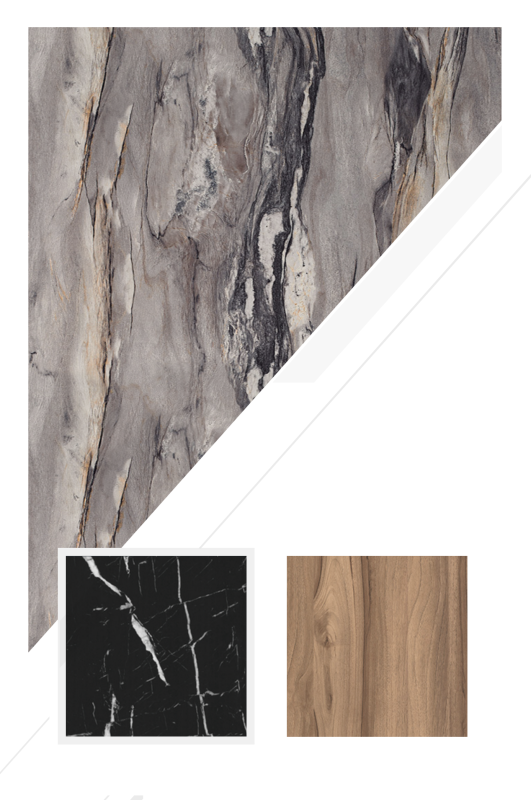
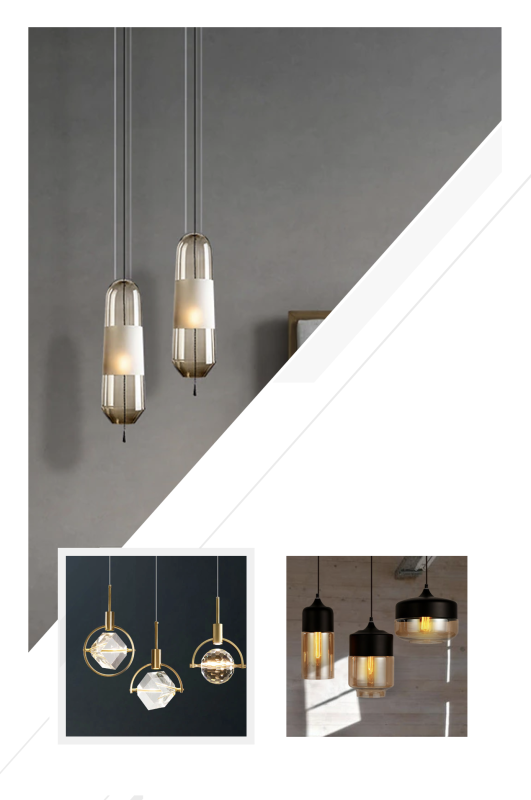
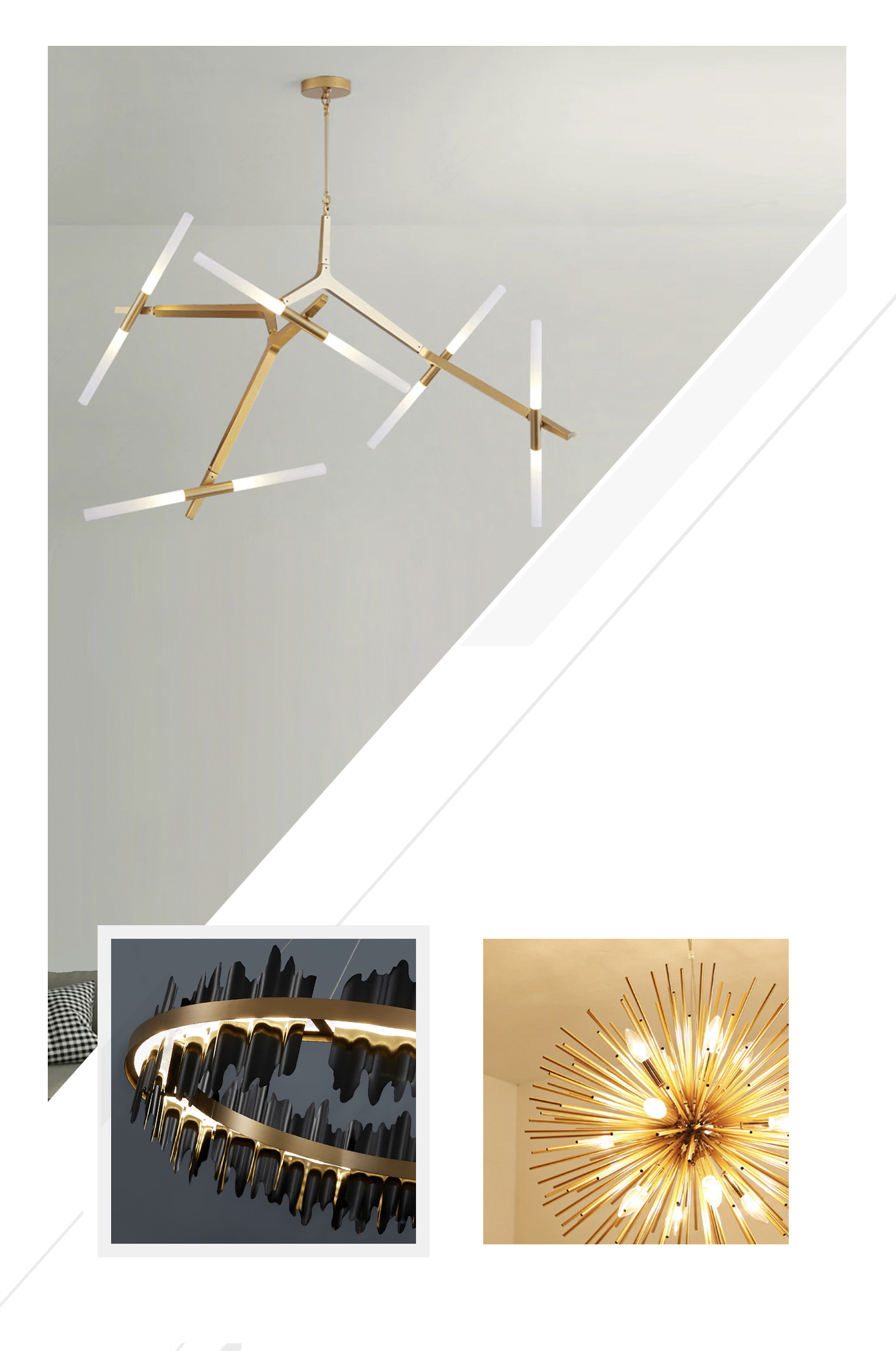
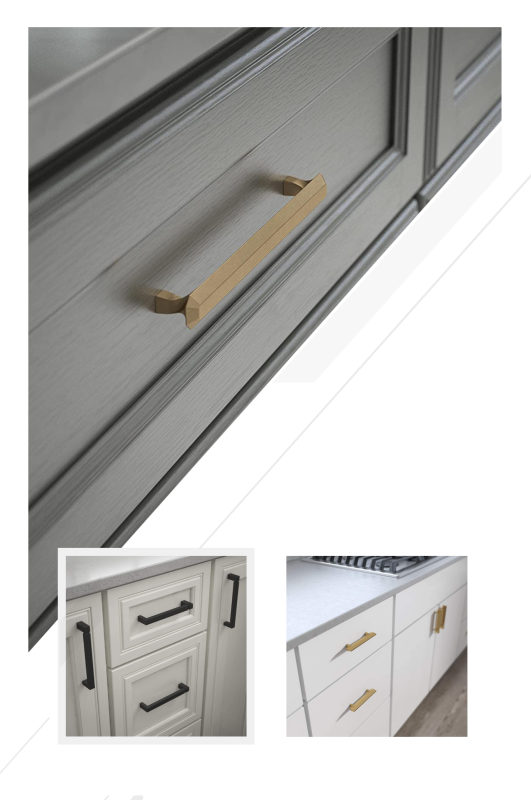
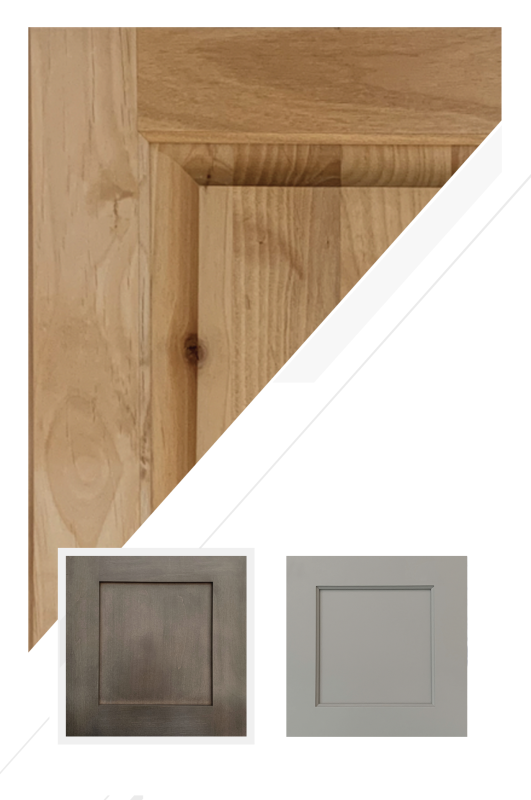
Thoughtful material palettes and warm textures support an intentional and finished feel.
Phase 4: Budget Clarity and Scope Alignment
An ADU budget includes more than the structure itself. Permitting, site prep, foundations, utilities, and restoration work all play a role.
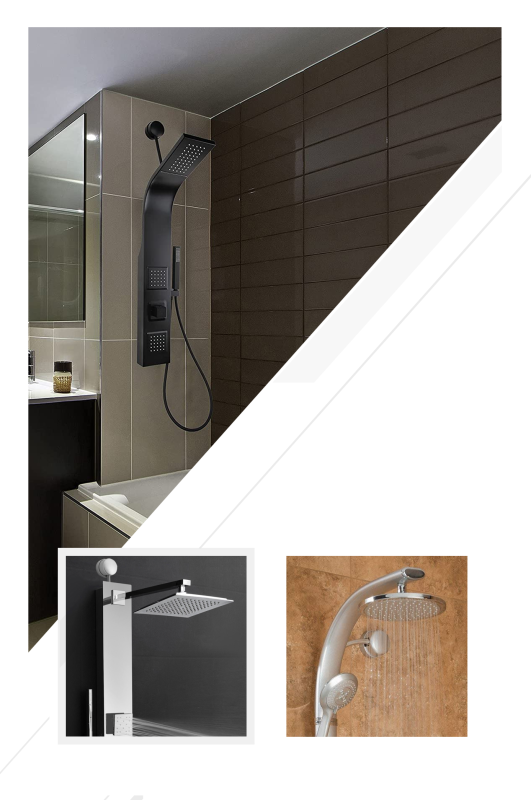
Finish selections influence both cost and experience. The goal is cohesion and durability, not unnecessary complexity.
Clear scope alignment reduces surprises and allows homeowners to move forward with confidence.
Phase 5: Plans, Engineering, and Permitting
Detailed drawings, engineering, and compliance documentation translate the concept into buildable plans.
Clean, organized plan sets support smoother permitting and clearer construction execution.
Permitting requires patience, but it protects the investment and ensures long term compliance.
Phase 6: Site Prep, Build, and Installation
Site preparation transforms planning into visible progress. Foundations, trenching, and utility work must align precisely with the design.
The build phase varies by method, but structured decisions earlier help this stage feel calm and controlled.
Delivery and installation bring rapid transformation, followed by final connections and inspections.
Phase 7: Completion and Moving Forward
The final walkthrough confirms details, system performance, and readiness for move in.
An ADU is more than a structure. It is a new chapter that can reshape family life, finances, and long term flexibility.
With clear goals and thoughtful planning, the journey from concept to completion becomes a positive, rewarding experience.
About Joy Line Homes
Joy Line Homes helps California homeowners map a clear ADU path from early planning through final completion.
Visit AduraAdu.com to explore floor plans and ADU design options for your property.
Let's Get Started
Please Select the form that applies to you by selecting the appropriate tab above.
We are based in Santa Clara County ,
California
Tel: (831) 888-Home
Email: info@joylinehomes.com
Business Hours: 9am - 6pm